Our Blog
How to Use Gel Fertilizers for Maximum Crop Yield: Tips & Best Practices
December 15, 2025
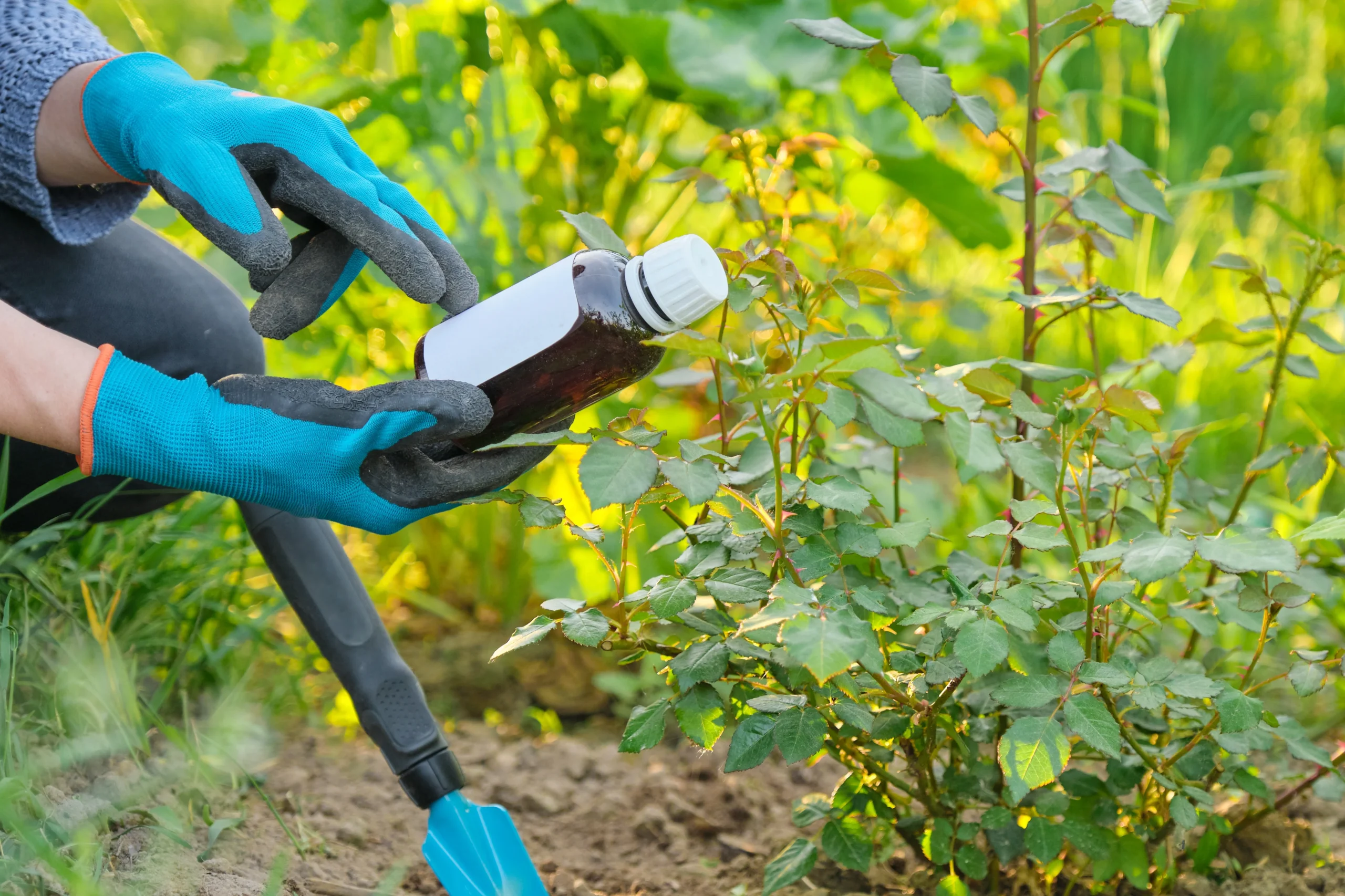
How to Use Gel Fertilizers for Maximum Crop Yield: Tips & Best Practices
Gel fertilizers are becoming a preferred choice for farmers due to their high nutrient efficiency, easy application, and controlled release properties. To achieve the best results and maximize crop yield, farmers must use gel fertilizers correctly. Below are effective tips and best practices to help you get the most out of gel-based fertilizers.
Understanding Gel Fertilizers
Gel fertilizers are water-soluble formulations that release nutrients gradually. They provide balanced nutrition to plants, reduce wastage, and improve soil health. Proper application ensures stronger plant growth and higher productivity.
1. Choose the Right Gel Fertilizer
- Select fertilizers based on the crop type and growth stage.
- Check the NPK ratio that matches your crop requirements.
- Use micronutrient-enriched gels for better plant nutrition.
2. Dilute Properly Before Application
Gel fertilizers should be mixed with the right amount of water to ensure even distribution. Over-concentration may harm plants, while under-concentration may reduce effectiveness.
3. Apply Through Drip Irrigation
- Gel fertilizers work best with drip irrigation systems.
- This method allows nutrients to reach root zones directly.
- Ensures uniform distribution across the field.
4. Use During Key Growth Stages
- Seedling stage for strong root development.
- Vegetative stage for healthy leaf and stem growth.
- Flowering and fruiting stages for quality yield.
5. Maintain Proper Soil Moisture
Moist soil improves nutrient absorption from gel fertilizers. Dry soil may slow down nutrient release, reducing the overall effectiveness.
6. Combine with Foliar Spray for Faster Results
- Use gel fertilizers as a foliar spray for quick nutrient absorption.
- Helps correct micronutrient deficiencies rapidly.
- Improves plant strength and resistance.
7. Avoid Overuse
While gel fertilizers are efficient, excessive application can cause nutrient imbalance. Always follow recommended dosages provided by agricultural experts or product labels.
8. Monitor Crop Response
- Observe leaf color, growth rate, and overall plant health.
- Adjust frequency or dosage based on crop performance.
- Use soil and water testing reports for accurate decisions.
Conclusion
Using gel fertilizers wisely can significantly increase crop yield and quality. By choosing the right formulation, applying it at the correct stages, and ensuring proper dilution and distribution, farmers can maximize the benefits of gel fertilizers. These modern fertilizers support sustainable farming and help crops grow healthier and stronger throughout the season.