Our Blog
Gel Fertilizer vs. Water Soluble Fertilizer: Which is Better for Drip Irrigation?
January 22, 2026
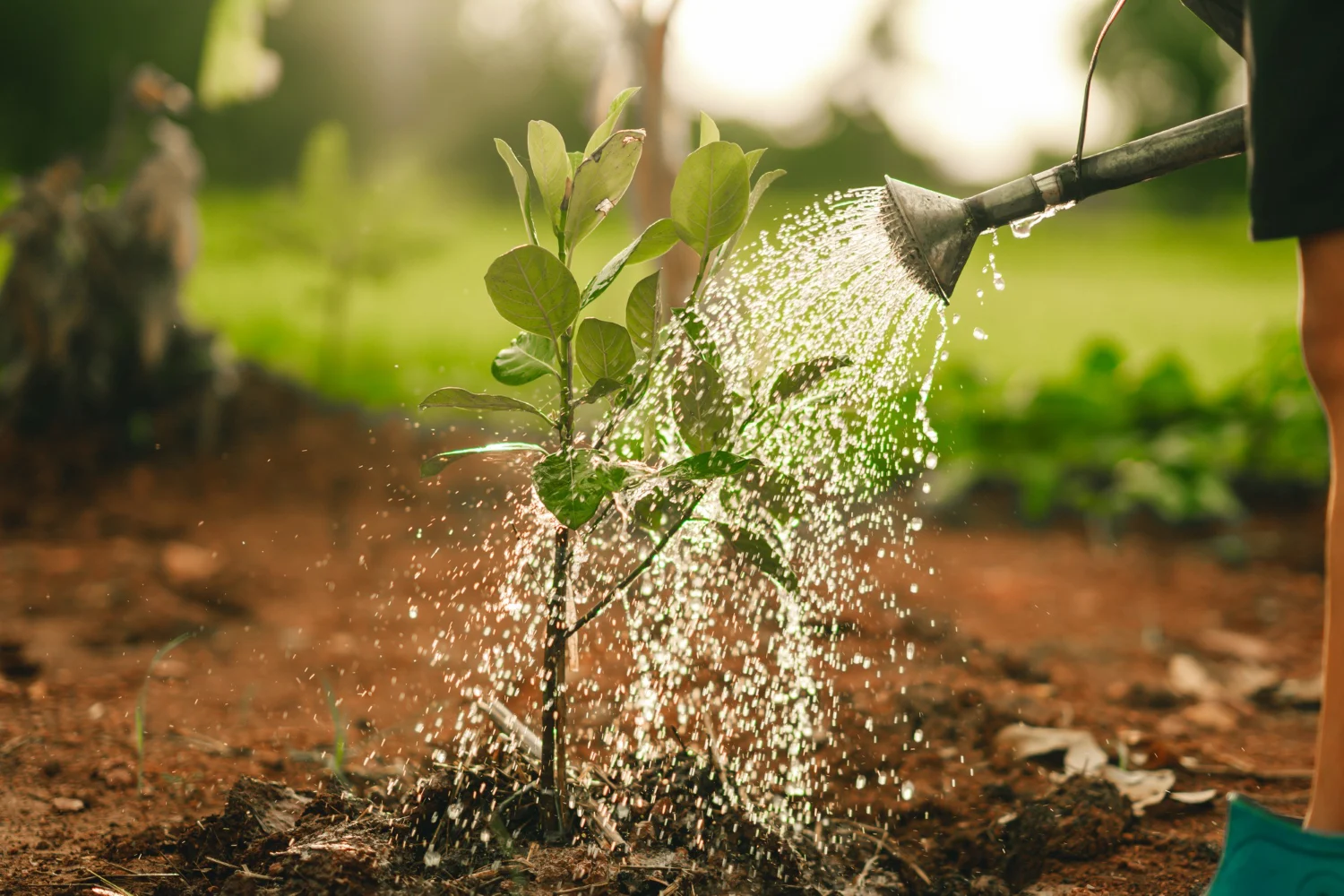
Gel Fertilizer vs. Water Soluble Fertilizer for Drip Irrigation
Drip irrigation has transformed modern agriculture by delivering water and nutrients directly to the root zone, minimizing waste and maximizing efficiency. However, the success of any drip irrigation system depends heavily on the type of fertilizer used. Among the most debated options today are gel fertilizers and water soluble fertilizers.
So the big question is:
Gel Fertilizer vs. Water Soluble Fertilizer – which is better for drip irrigation?
This detailed comparison will help farmers, agronomists, and agribusiness professionals choose the right fertigation solution based on efficiency, crop response, cost, and long-term soil health.
Understanding Fertigation in Drip Irrigation
Fertigation is the process of applying fertilizers through irrigation systems, especially drip irrigation. It allows:
- Precise nutrient delivery
- Reduced fertilizer wastage
- Uniform distribution
- Better nutrient uptake
- Higher crop yield
Choosing the wrong fertilizer type can cause clogging, nutrient loss, or uneven crop growth—making this decision critical.
What Is a Gel Fertilizer?
Gel fertilizers are advanced liquid or semi-liquid formulations with a gel-like consistency. They are designed to release nutrients slowly and uniformly when applied through drip systems.
Key Characteristics of Gel Fertilizers
- High nutrient concentration
- Stable molecular structure
- Excellent solubility
- Slow and controlled nutrient release
- Reduced leaching and runoff
Gel fertilizers are a relatively new innovation in modern agriculture and are gaining popularity in precision farming.
What Is a Water Soluble Fertilizer?
Water soluble fertilizers are traditional fertilizers that dissolve completely in water and are widely used in fertigation systems.
Key Characteristics of Water Soluble Fertilizers
- Instantly soluble in water
- Fast nutrient availability
- Easy to apply
- Widely available and cost-effective
- Suitable for multiple crop stages
They have been the backbone of drip irrigation systems for decades.
Compatibility with Drip Irrigation Systems
- Gel fertilizers are engineered to prevent emitter clogging due to uniform molecular dispersion.
- Water soluble fertilizers can sometimes cause clogging if impurities or poor-quality grades are used.
For long-term drip system health, gel fertilizers have an edge.
Nutrient Use Efficiency (NUE)
Nutrient Use Efficiency (NUE) measures how much applied fertilizer is actually absorbed by plants.
- Gel fertilizers provide higher NUE due to reduced losses
- Water soluble fertilizers provide moderate NUE, dependent on timing and irrigation control
Higher NUE directly translates into higher crop yield and lower fertilizer cost per acre.
Crop Response and Yield
- Water soluble fertilizers show quick visible crop response, ideal for correcting deficiencies
- Gel fertilizers support uniform growth and sustained yield, especially in long-duration crops
Best Practice
- Short-term correction: Water soluble fertilizer
- Long-term nutrition: Gel fertilizer
Environmental Impact
Modern agriculture must align with sustainability goals.
- Gel fertilizers reduce nutrient runoff and groundwater contamination
- Water soluble fertilizers may contribute to leaching if mismanaged
From an environmental perspective, gel fertilizers are more sustainable.
Which Crops Benefit More from Gel Fertilizers?
Crops Best Suited for Gel Fertilizers
- Fruit crops (banana, grapes, citrus)
- Vegetables under drip irrigation
- Greenhouse crops
- Plantation crops
- High-value horticulture
Crops Suitable for Water Soluble Fertilizers
- Short-duration crops
- Rapid nutrient correction
- Early vegetative stages
Common Myths About Gel Fertilizers
- Myth: Gel fertilizers clog drip lines
- Fact: High-quality gel fertilizers are designed to reduce clogging
- Myth: Gel fertilizers are only for large farms
- Fact: They are effective for small and medium farms using drip systems
Expert Recommendation: Which Is Better for Drip Irrigation?
There is no one-size-fits-all answer, but here is a clear guideline.
Choose Gel Fertilizer If You Want
- Long-term nutrient efficiency
- Healthy drip irrigation systems
- Reduced fertilizer losses
- Sustainable and precision farming
Choose Water Soluble Fertilizer If You Want
- Immediate nutrient availability
- Lower upfront cost
- Short-term deficiency correction
Best strategy: Use both strategically—water soluble fertilizers for quick correction and gel fertilizers for sustained nutrition.
Future of Fertigation
By 2026 and beyond, fertigation will move toward:
- Precision nutrient delivery
- AI-based nutrient scheduling
- High-efficiency formulations like gel fertilizers
- Sustainable input management
Gel fertilizers are expected to play a major role in next-generation drip irrigation systems.
Frequently Asked Questions
Is gel fertilizer safe for drip irrigation?
Yes, high-quality gel fertilizers are specifically designed for drip and fertigation systems.
Can gel fertilizer replace water soluble fertilizer completely?
Not entirely. Both have different roles and work best when used strategically.
Which fertilizer gives higher yield in drip irrigation?
Gel fertilizers often give higher and more consistent yield due to better nutrient efficiency.
Are gel fertilizers suitable for all crops?
They are best for long-duration and high-value crops, but can be used for most drip-irrigated crops.
Which is more economical in the long run?
Gel fertilizers are usually more economical long-term due to lower wastage and fewer applications.
Conclusion
When it comes to gel fertilizer vs. water soluble fertilizer for drip irrigation, the choice depends on crop type, growth stage, and farming goals.
- Water soluble fertilizers offer speed and flexibility
- Gel fertilizers deliver efficiency, sustainability, and long-term yield improvement
For modern, precision-driven agriculture, gel fertilizers are emerging as the smarter choice—especially when combined thoughtfully with traditional water soluble fertilizers.