Our Blog
Advantages of Liquid Fertilizers Over Granular Fertilizers
Fertilizers play a vital role in providing essential nutrients that plants need for healthy growth and higher productivity. Traditionally, granular fertilizers have been widely used in agriculture and gardening. However, liquid fertilizers are becoming increasingly popular because of their fast absorption, easy application, and better nutrient efficiency.
Liquid fertilizers are nutrients dissolved in water, allowing plants to absorb them quickly through roots or leaves. In this guide, we will explore the major advantages of liquid fertilizers compared to granular fertilizers and why many farmers and gardeners prefer them.
What Are Liquid Fertilizers?
Liquid fertilizers are plant nutrients that come in liquid form. They are usually mixed with water and applied directly to the soil or sprayed on plant leaves. Because the nutrients are already dissolved, plants can absorb them more quickly than solid fertilizers.
Common Types of Liquid Fertilizers
- Liquid NPK fertilizers
- Seaweed-based fertilizers
- Liquid compost extracts
- Fish emulsion fertilizers
- Micronutrient liquid fertilizers
What Are Granular Fertilizers?
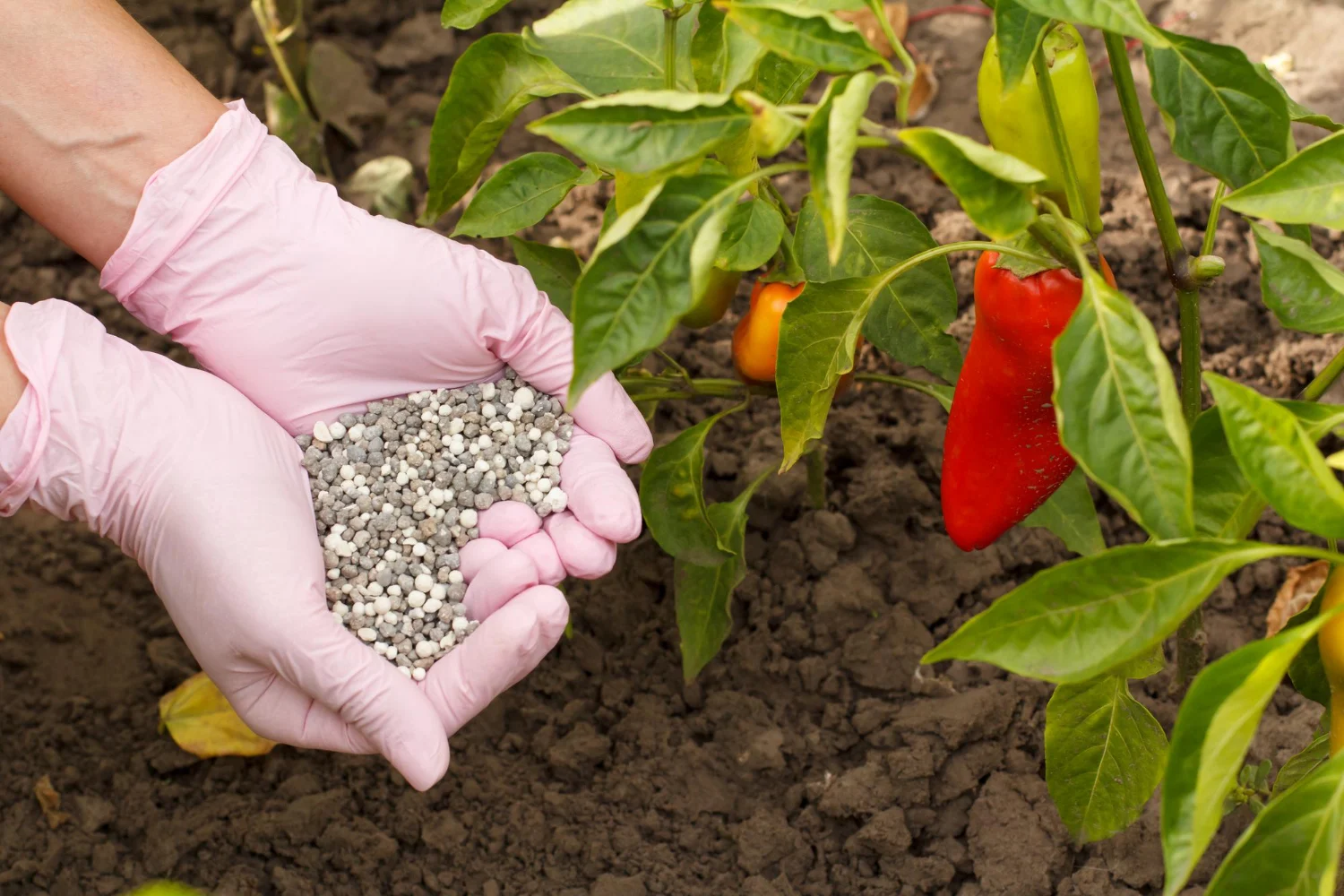
Granular fertilizers are solid fertilizers that come in small pellets or granules. These fertilizers are applied to the soil and slowly dissolve when watered or exposed to rain. The nutrients are gradually released into the soil and absorbed by plant roots.
Examples of Granular Fertilizers
- NPK granular fertilizers
- Urea granules
- Ammonium sulfate
- Potash granules
Faster Nutrient Absorption
One of the biggest advantages of liquid fertilizers is their fast absorption. Since the nutrients are already dissolved in water, plants can absorb them quickly through their roots or leaves.
Benefits of Faster Absorption
- Provides immediate nutrition to plants.
- Helps plants recover quickly from nutrient deficiencies.
- Supports faster plant growth.
- Ideal for plants that require quick nutrient supply.
More Uniform Nutrient Distribution
Liquid fertilizers can be evenly distributed across the soil or sprayed directly on plant leaves. This ensures that all plants receive a balanced amount of nutrients.
Advantages of Uniform Distribution
- Reduces the risk of uneven fertilization.
- Ensures every plant receives nutrients.
- Improves overall crop growth and uniformity.
Easy Application
Liquid fertilizers are very easy to apply. They can be applied using watering cans, irrigation systems, or spray equipment. This makes them convenient for both small gardens and large agricultural fields.
Application Benefits
- Compatible with drip irrigation systems.
- Easy to mix and apply.
- Suitable for foliar feeding.
- Requires less physical labor compared to spreading granules.
Better Nutrient Efficiency
Liquid fertilizers allow plants to absorb nutrients more efficiently. Because they are applied directly in dissolved form, there is less nutrient loss compared to granular fertilizers.
Efficiency Benefits
- Reduces nutrient wastage.
- Improves fertilizer utilization.
- Helps plants use nutrients more effectively.
Ideal for Foliar Feeding
Liquid fertilizers can be sprayed directly onto plant leaves in a method known as foliar feeding. Plants can absorb nutrients through their leaves, which provides quick nourishment.
Benefits of Foliar Feeding
- Provides rapid nutrient absorption.
- Corrects nutrient deficiencies quickly.
- Improves plant health and growth.
Less Risk of Soil Build-Up
Granular fertilizers sometimes accumulate in the soil if overused, which can lead to nutrient imbalance or salt buildup. Liquid fertilizers are easier to control and apply in precise amounts.
Advantages for Soil Health
- Reduces salt accumulation in soil.
- Helps maintain balanced soil nutrients.
- Supports long-term soil health.
Suitable for Modern Farming Techniques
Liquid fertilizers work very well with modern farming systems such as drip irrigation, hydroponics, and fertigation. These systems require nutrients to be delivered in liquid form.
Modern Farming Benefits
- Compatible with fertigation systems.
- Ideal for greenhouse farming.
- Supports precision agriculture.
Conclusion
Liquid fertilizers offer several advantages over granular fertilizers, including faster nutrient absorption, easier application, better nutrient efficiency, and compatibility with modern irrigation systems. They are especially useful for correcting nutrient deficiencies quickly and ensuring uniform plant growth.
While both liquid and granular fertilizers have their uses, liquid fertilizers are often preferred in modern agriculture because they provide quick and efficient nutrient delivery, helping plants grow healthier and produce better yields.