Our Blog
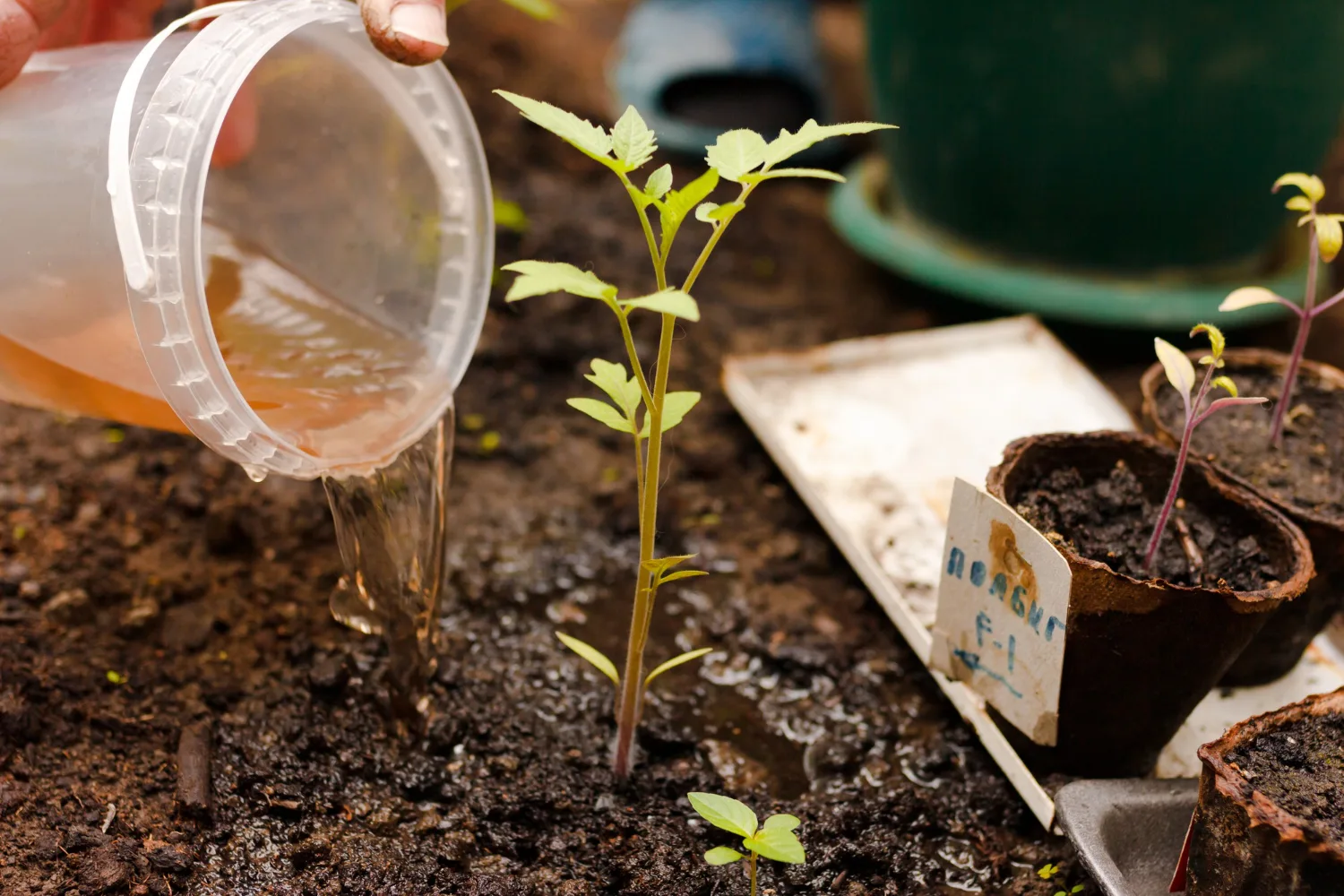
What is Liquid Gel Fertilizer and How Does It Work?
Fertilizers are essential for providing plants with the nutrients they need to grow strong, healthy, and productive. In recent years, modern agricultural technologies have introduced innovative fertilizer forms that improve nutrient efficiency and plant absorption. One of these advanced solutions is liquid gel fertilizer.
Liquid gel fertilizers combine the benefits of liquid fertilizers and slow-release technologies. They provide plants with essential nutrients while improving nutrient retention in the soil and reducing nutrient loss. Farmers and gardeners are increasingly adopting liquid gel fertilizers because they enhance plant growth and improve fertilizer efficiency.
What is Liquid Gel Fertilizer?
Liquid gel fertilizer is a semi-liquid or gel-like fertilizer that contains essential plant nutrients such as nitrogen (N), phosphorus (P), potassium (K), and sometimes micronutrients. The gel structure allows nutrients to remain stable and release gradually into the soil.
Unlike traditional liquid fertilizers that quickly move through the soil, gel fertilizers have a thicker consistency that helps nutrients stay near the plant roots for a longer period.
Main Components of Liquid Gel Fertilizers
- Nitrogen for leaf and stem growth.
- Phosphorus for root development and flowering.
- Potassium for plant strength and disease resistance.
- Micronutrients such as zinc, iron, and magnesium.
- Gel-based carriers that control nutrient release.
How Liquid Gel Fertilizer Works
The unique gel structure of liquid gel fertilizers allows nutrients to be released slowly and efficiently. When the fertilizer is applied to soil or near plant roots, the gel holds nutrients in place and gradually releases them as plants absorb moisture from the soil.
This controlled release ensures that plants receive a steady supply of nutrients over time, reducing the chances of nutrient loss due to leaching or runoff.
Step-by-Step Working Process
- The gel fertilizer is applied to the soil or root zone.
- The gel absorbs moisture from the surrounding soil.
- Nutrients slowly dissolve from the gel structure.
- Plant roots absorb the released nutrients.
- The gel continues to release nutrients gradually over time.
Benefits of Liquid Gel Fertilizers
Liquid gel fertilizers offer several advantages over traditional fertilizers. Their advanced formulation improves nutrient efficiency and plant growth.
Key Advantages
- Provides controlled and gradual nutrient release.
- Reduces nutrient loss from leaching.
- Improves nutrient absorption by plant roots.
- Enhances soil moisture retention.
- Supports healthier and stronger plant growth.
Applications of Liquid Gel Fertilizers
Liquid gel fertilizers can be used in many agricultural and gardening applications. They are suitable for various crops, plants, and soil conditions.
Common Uses
- Vegetable crops.
- Fruit orchards.
- Field crops such as wheat and corn.
- Greenhouse farming.
- Home gardens and landscaping.
How to Apply Liquid Gel Fertilizer
Proper application of liquid gel fertilizer helps ensure maximum benefits for plants and soil.
Application Methods
- Apply directly near the plant root zone.
- Mix with irrigation water for uniform distribution.
- Use recommended dosage based on crop type.
- Apply during early growth stages for best results.
Liquid Gel Fertilizer vs Traditional Fertilizers
Key Differences
- Liquid gel fertilizers release nutrients gradually, while traditional liquid fertilizers release nutrients quickly.
- Gel fertilizers improve nutrient retention near roots.
- Traditional fertilizers may lose nutrients through runoff or leaching.
- Gel fertilizers provide longer-lasting nutrient availability.
Conclusion
Liquid gel fertilizers represent a modern approach to plant nutrition. Their unique gel-based formulation allows nutrients to be released gradually, ensuring better nutrient availability and improved plant growth. They help reduce nutrient loss, improve soil efficiency, and support sustainable farming practices.
By using liquid gel fertilizers properly, farmers and gardeners can achieve healthier plants, better crop yields, and improved soil health over time.