Our Blog
Understanding NPK Ratios: Choosing the Right Fertilizer for Every Crop Stage
May 8, 2026
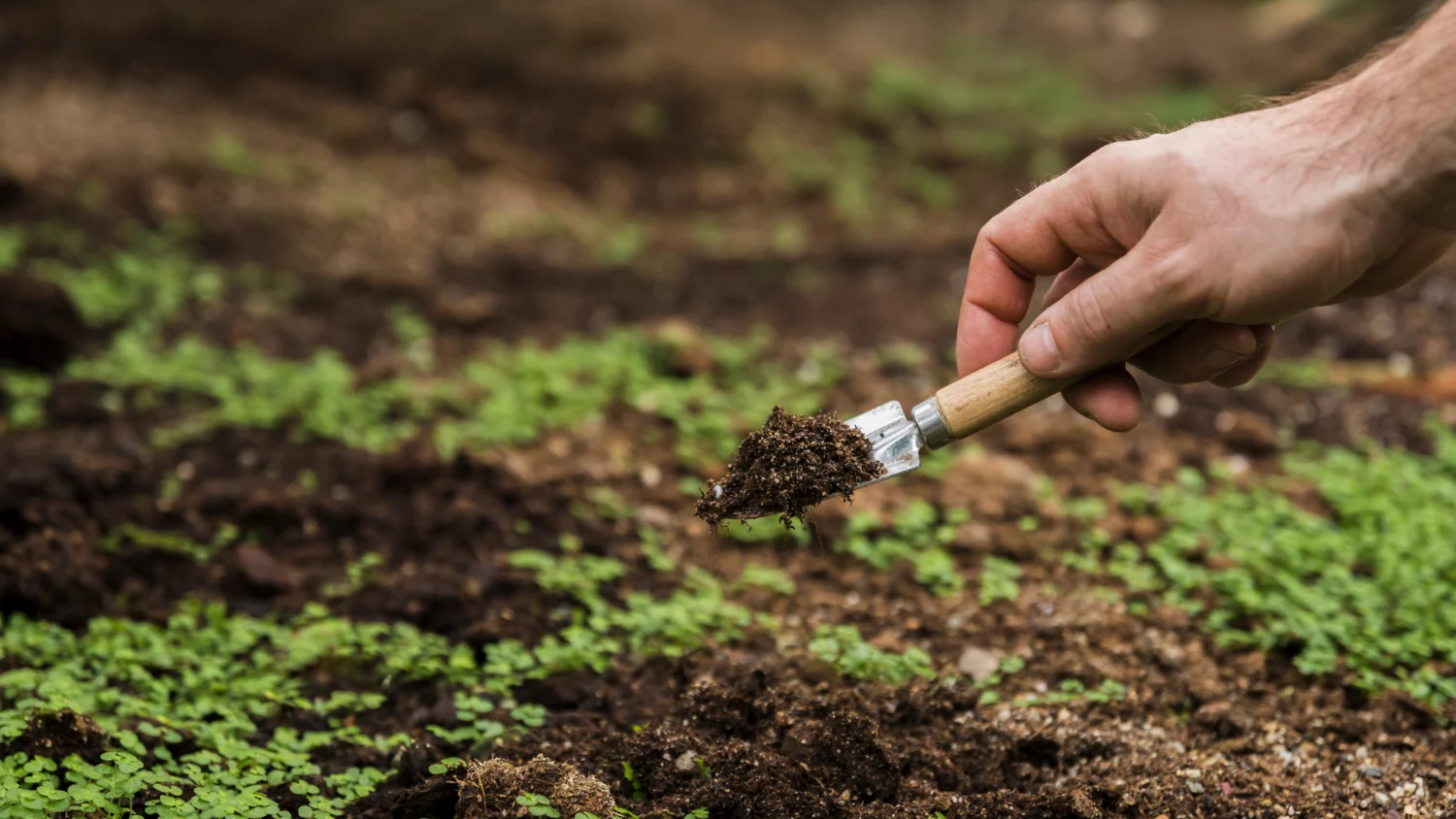
Balanced Plant Nutrition Is Essential for Healthy Crop Growth
Balanced plant nutrition is essential for healthy crop growth and maximum yield. One of the most important factors in fertilizer selection is understanding NPK ratios. Different crops and growth stages require different nutrient combinations, and choosing the right NPK fertilizer can significantly improve productivity and crop quality.
Modern NPK liquid gel fertilizers provide balanced nutrition with improved nutrient efficiency and easy application methods, making them highly effective for modern farming.
What Does NPK Mean?
NPK stands for the three primary nutrients required by plants:
- Nitrogen (N)
- Phosphorus (P)
- Potassium (K)
Each nutrient plays a specific role in plant development.
Nitrogen (N)
Nitrogen supports vegetative growth and chlorophyll production. It promotes healthy green leaves and vigorous plant growth.
Phosphorus (P)
Phosphorus is essential for root development, flowering, seed formation, and energy transfer within plants.
Potassium (K)
Potassium improves overall plant health, water regulation, stress resistance, fruit quality, and disease tolerance.
Why NPK Ratios Matter
Different crops require different nutrient levels at different growth stages. Using the correct NPK ratio ensures balanced nutrition and optimal crop performance.
For example:
- Higher nitrogen supports leafy growth
- Higher phosphorus improves root and flower development
- Higher potassium enhances fruit quality and stress resistance
Selecting the right fertilizer at the right stage helps maximize crop productivity.
Best NPK Ratios for Different Growth Stages
Vegetative Growth Stage
During early growth, plants require more nitrogen for leaf and stem development.
Common formulations include:
- NPK 19:19:19
- NPK 20:20:20
- NPK 25:25:25
Balanced formulations promote strong vegetative growth and healthy root systems.
Flowering Stage
Flowering crops require higher phosphorus levels to support bud formation and flowering.
Suitable formulations include:
- NPK 12:32:16
- NPK 14:46:00
- Organic + DAP Liquid 18:46:00
These fertilizers improve flower initiation and reproductive development.
Fruiting and Maturity Stage
At fruiting stages, crops require more potassium to improve fruit size, color, sugar content, and quality.
Recommended formulations include:
- NPK 00:50:50
- NPK 10:00:40
- NPK 00:40:55
High-potassium fertilizers improve fruit development and stress tolerance.
Advantages of NPK Liquid Gel Fertilizers
Modern liquid gel fertilizers offer several benefits over conventional fertilizers:
Faster Nutrient Uptake
Liquid formulations allow quick nutrient absorption through roots and leaves.
Slow-Release Technology
Advanced gel formulations provide controlled nutrient release for longer-lasting nutrition.
Better Nutrient Efficiency
Reduced nutrient losses improve fertilizer efficiency and lower input costs.
Easy Application
Suitable for:
- Drip irrigation
- Fertigation
- Foliar spray
These methods support precision agriculture and uniform nutrient distribution.
How to Choose the Right NPK Fertilizer
Farmers should consider:
- Crop type
- Soil condition
- Growth stage
- Nutrient deficiency symptoms
- Irrigation system
Proper nutrient management helps improve yield, crop quality, and soil fertility.
Conclusion
Understanding NPK ratios is essential for effective crop nutrition management. Different growth stages require different nutrient combinations, and selecting the right fertilizer can significantly improve plant health and productivity.
Modern NPK liquid gel fertilizers provide efficient, balanced, and sustainable nutrition solutions for today’s agriculture, helping farmers achieve better yield and long-term farming success.