Our Blog
How Gel-Based Fertilizers Reduce Nutrient Loss and Improve Crop Yield
December 26, 2025
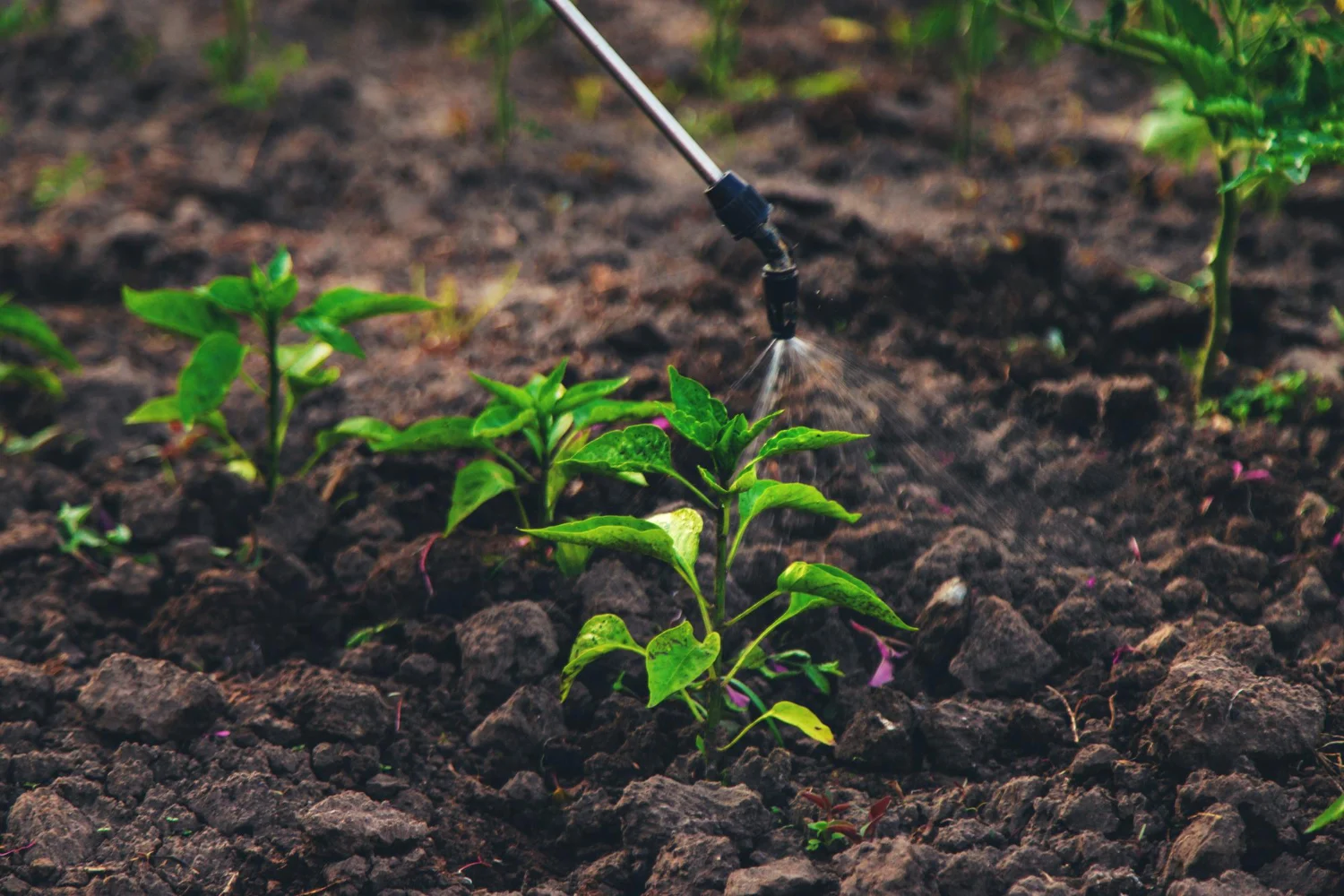
One of the biggest challenges in modern agriculture is nutrient loss. A large percentage of fertilizers applied through traditional methods never reach plant roots due to leaching, runoff, evaporation, and fixation. This not only increases farming costs but also limits crop yield.
Gel-based fertilizers are an advanced solution designed to solve this problem. By improving nutrient retention and delivery, they help farmers achieve higher yields with better efficiency. Let’s understand how gel-based fertilizers work and why they are becoming popular in modern farming.
What Are Gel-Based Fertilizers?
Gel-based fertilizers are semi-liquid formulations in which nutrients are suspended in a gel-like matrix. This structure allows nutrients to remain stable in the soil and release slowly near the root zone.
Unlike granular or liquid fertilizers, gel-based fertilizers:
Stay longer in the soil
Prevent rapid nutrient movement
Ensure continuous nutrient availability
SEO keywords: gel-based fertilizers, gel fertilizer technology
Why Nutrient Loss Happens in Conventional Fertilizers
Traditional fertilizer application often leads to nutrient loss due to:
Leaching: Nutrients washed away with irrigation or rain
Volatilization: Nitrogen loss into the atmosphere
Fixation: Phosphorus becoming unavailable in soil
Runoff: Surface flow carrying nutrients away
This results in low nutrient use efficiency and higher input costs.
How Gel-Based Fertilizers Reduce Nutrient Loss
1. Strong Root Zone Retention
Gel-based fertilizers form a nutrient-holding layer around the root zone. This prevents nutrients from moving freely with water, reducing leaching losses significantly.
2. Controlled & Slow Nutrient Release
The gel matrix releases nutrients gradually based on soil moisture and plant demand. This prevents sudden nutrient flushes and ensures steady feeding throughout crop growth stages.
3. Reduced Nitrogen Volatilization
By keeping nitrogen close to the roots and releasing it slowly, gel fertilizers reduce nitrogen loss through evaporation, improving nitrogen use efficiency.
4. Improved Phosphorus Availability
Phosphorus often gets fixed in soil and becomes unavailable to plants. Gel-based fertilizers keep phosphorus in a plant-available form, improving uptake and root development.
5. Lower Runoff During Irrigation
Gel fertilizers do not dissolve instantly like liquid fertilizers. This minimizes surface runoff during irrigation or rainfall, keeping nutrients where plants need them most.
How Gel-Based Fertilizers Improve Crop Yield
6. Better Nutrient Uptake Efficiency
Since nutrients remain available near the roots for longer periods, plants absorb a higher percentage of applied nutrients. This leads to stronger growth and better crop performance.
7. Improved Root Development
Consistent nutrient availability promotes deeper and healthier root systems, enabling plants to absorb more water and nutrients from the soil.
8. Balanced Growth Throughout Crop Cycle
Gel fertilizers provide nutrients gradually, supporting:
Healthy vegetative growth
Strong flowering
Improved fruit and grain development
This balanced nutrition results in uniform crop growth and higher yields.
9. Reduced Fertilizer Dosage Requirement
With lower nutrient loss and higher efficiency, farmers can achieve the same or better yield using 20–40% less fertilizer, reducing overall input costs.
10. Enhanced Stress Resistance
Well-nourished crops are more resistant to drought, heat, and nutrient stress. Gel-based fertilizers help plants perform better even under challenging conditions.
Crops That Benefit Most from Gel-Based Fertilizers
Vegetables (tomato, onion, chili, potato)
Fruit crops (banana, grapes, citrus, mango)
Drip-irrigated field crops
Greenhouse and protected cultivation crops
Best Practices for Using Gel-Based Fertilizers
Apply through drip irrigation or fertigation
Place near the active root zone
Follow recommended dosage
Combine with soil testing for precise nutrition
Conclusion
Gel-based fertilizers are transforming nutrient management by reducing nutrient loss and improving crop yield. Their ability to retain nutrients in the root zone, release them gradually, and improve uptake efficiency makes them a powerful tool for modern, precision-based agriculture.
By adopting gel-based fertilizers, farmers can achieve higher productivity, lower fertilizer costs, and sustainable soil health—all essential for future-ready farming.