Our Blog
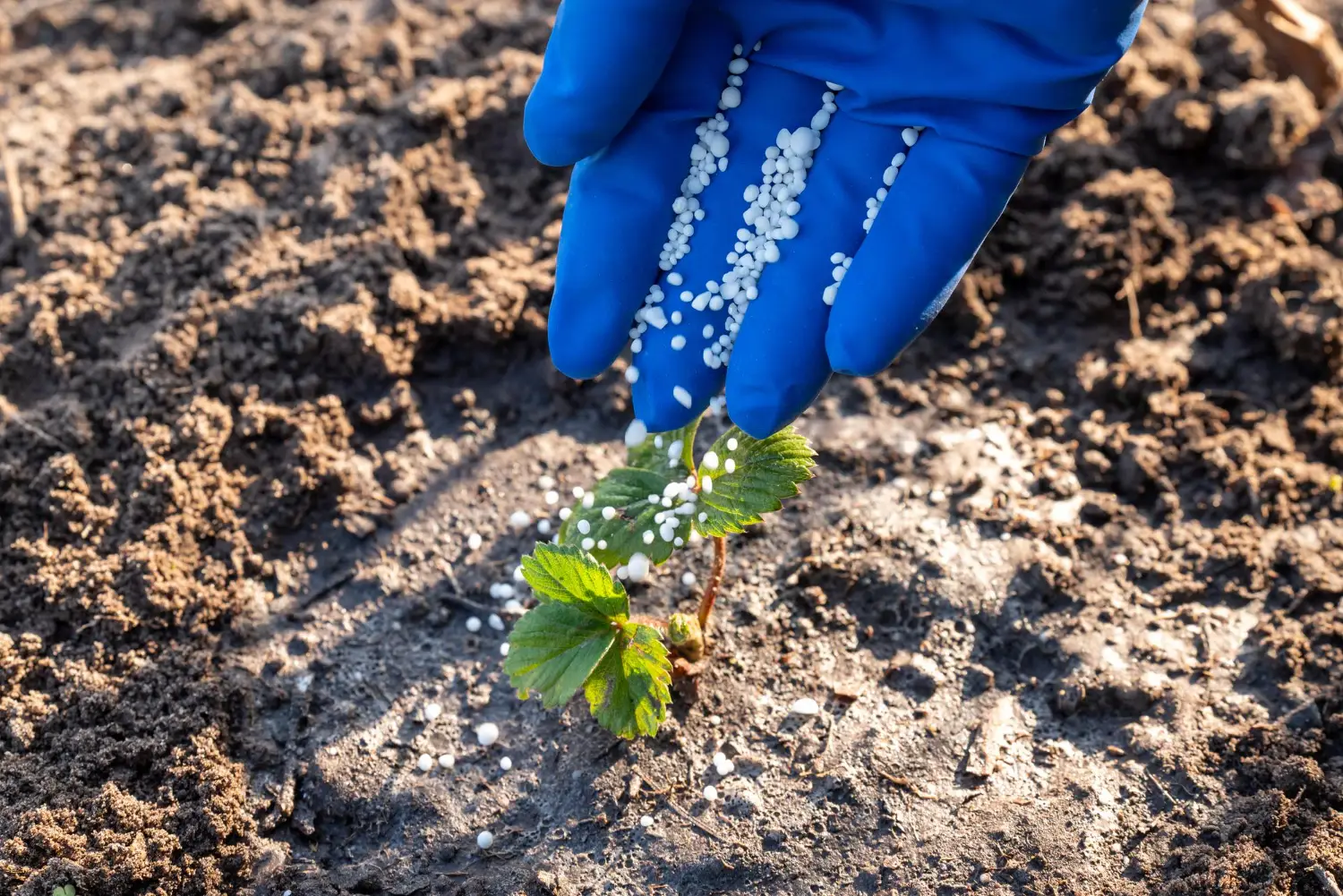
How Gel Fertilizers Improve Nutrient Efficiency in Crops
Modern agriculture is constantly evolving to improve crop yield while reducing waste and environmental impact. One of the latest innovations in this field is the use of gel fertilizers. These advanced agricultural fertilizers are gaining popularity among farmers due to their ability to enhance nutrient efficiency and support sustainable farming practices.
In this blog, we’ll explore how gel fertilizers work and why they are becoming an important tool in modern agriculture.
What Are Gel Fertilizers?
Gel fertilizers are semi-solid formulations that contain essential nutrients in a gel-like structure. Unlike traditional liquid fertilizers or granular fertilizers, gel fertilizers release nutrients slowly and in a controlled manner.
They are designed to improve nutrient absorption by plants while minimizing losses caused by leaching, evaporation, or runoff.
How Gel Fertilizers Work
Gel fertilizers act as a reservoir of nutrients. When applied to the soil, the gel gradually breaks down and releases nutrients over time. This controlled-release fertilizer mechanism ensures that plants receive nutrients exactly when they need them.
The gel structure also helps retain moisture in the soil, creating a better environment for root development and nutrient uptake.
Benefits of Gel Fertilizers in Improving Nutrient Efficiency
1. Controlled Nutrient Release
Gel fertilizers release nutrients slowly, preventing sudden nutrient loss and ensuring a steady supply to crops. This significantly improves nutrient use efficiency.
2. Reduced Nutrient Loss
Traditional fertilizers often lose nutrients due to water runoff or deep leaching. Gel fertilizers hold nutrients in place, reducing wastage and increasing effectiveness.
3. Better Root Absorption
The gel formulation keeps nutrients close to plant roots, allowing better absorption. This leads to healthier plants and improved crop growth.
4. Moisture Retention
Gel fertilizers help retain water in the soil, which is especially beneficial in dry or drought-prone areas. This improves both water efficiency and nutrient efficiency.
5. Environmentally Friendly
By reducing nutrient loss, gel fertilizers help lower soil pollution and water pollution. This makes them a more sustainable option compared to conventional fertilizers.
Comparison with Traditional Fertilizers
Unlike liquid fertilizers that act quickly but may require frequent application, and granular fertilizers that release nutrients slowly but unevenly, gel fertilizers offer a balanced approach.
They combine the benefits of both by providing controlled nutrient release along with better retention and absorption.
Where Gel Fertilizers Are Most Useful
- Dry and water-scarce regions
- Sandy soils where nutrients leach easily
- High-value crops like fruits and vegetables
- Precision farming and modern irrigation systems
- Greenhouse farming and protected cultivation
Challenges of Gel Fertilizers
Despite their benefits, gel fertilizers also have some limitations:
- Higher initial cost compared to traditional fertilizers
- Limited availability in some regions
- Lack of awareness among farmers
However, as agricultural technology advances, these challenges are gradually being addressed.
Future of Gel Fertilizers in Agriculture
With increasing focus on sustainable agriculture and efficient resource use, gel fertilizers are expected to play a major role in the future of farming. They offer a smart solution to reduce waste, improve crop productivity, and conserve natural resources.
Conclusion
Gel fertilizers are a promising innovation that improves nutrient efficiency by providing controlled release, reducing losses, and enhancing plant absorption. They not only boost crop growth but also support environmentally friendly farming practices.
As agriculture moves towards sustainability, adopting advanced solutions like gel fertilizers can help farmers achieve better results with fewer resources.
FAQs
1. Are gel fertilizers better than traditional fertilizers?
Gel fertilizers are more efficient in nutrient use, but the choice depends on crop needs and budget.
2. Do gel fertilizers save water?
Yes, they help retain moisture in the soil, reducing water usage and improving water efficiency.
3. Can gel fertilizers be used for all crops?
They are suitable for many crops, especially high-value crops and water-sensitive crops.