Our Blog
The Role of Water-Soluble Fertilizers in Modern Crop Nutrition
March 5, 2026
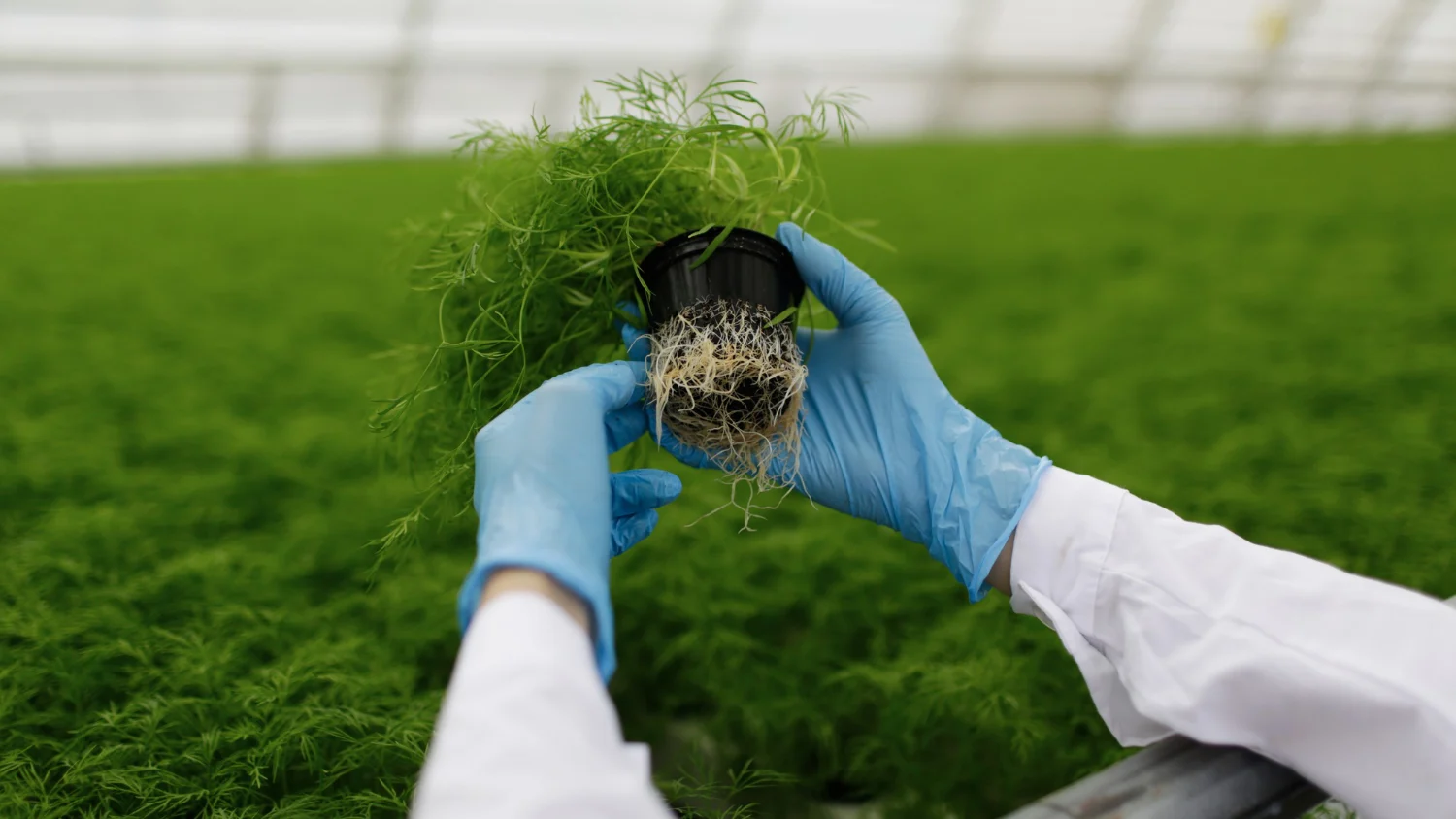
The Role of Water-Soluble Fertilizers in Modern Crop Nutrition
Modern agriculture requires efficient and precise nutrient management to ensure healthy crops and high yields. One of the most effective tools used by farmers today is water-soluble fertilizers. These fertilizers dissolve completely in water and provide nutrients directly to plants through irrigation systems or foliar sprays.
Water-soluble fertilizers play a significant role in modern crop nutrition by improving nutrient absorption, increasing crop productivity, and supporting sustainable farming practices.
What Are Water-Soluble Fertilizers?
Water-soluble fertilizers are fertilizers that dissolve fully in water without leaving any residue. This allows nutrients to be delivered quickly and efficiently to plants through irrigation systems such as drip irrigation, sprinkler systems, or foliar spraying.
Common nutrients found in water-soluble fertilizers include:
- Nitrogen (N)
- Phosphorus (P)
- Potassium (K)
- Calcium (Ca)
- Magnesium (Mg)
- Micronutrients like Iron, Zinc, and Boron
These fertilizers are widely used in greenhouse farming, hydroponics, and high-value crop production.
Advantages of Water-Soluble Fertilizers
1. Faster Nutrient Absorption
Since these fertilizers dissolve completely in water, plants can absorb nutrients immediately through roots or leaves. This results in faster plant growth and quicker correction of nutrient deficiencies.
2. Precise Nutrient Management
Farmers can control the exact amount of nutrients applied to crops. This precision helps maintain balanced crop nutrition and reduces the risk of over-fertilization.
3. Higher Crop Yield
Water-soluble fertilizers provide nutrients in a readily available form, allowing plants to grow healthier and produce higher yields.
4. Efficient Fertilizer Use
These fertilizers minimize nutrient loss through leaching or runoff. Plants absorb most of the nutrients supplied, improving fertilizer efficiency.
5. Suitable for Modern Irrigation Systems
Water-soluble fertilizers work perfectly with drip irrigation and fertigation systems. Nutrients are delivered directly to the root zone where plants need them the most.
Applications of Water-Soluble Fertilizers
1. Fertigation
Fertigation involves applying fertilizers through irrigation systems. This method ensures uniform nutrient distribution and improves nutrient uptake by plants.
2. Foliar Feeding
Water-soluble fertilizers can be sprayed directly onto plant leaves. Nutrients are absorbed quickly through leaf surfaces, making it an effective method for correcting deficiencies.
3. Hydroponic Farming
In hydroponic systems, plants grow without soil and depend entirely on nutrient solutions. Water-soluble fertilizers provide essential nutrients in the correct proportions for optimal growth.
Importance in Modern Agriculture
With increasing global food demand and limited agricultural land, farmers need efficient nutrient management techniques. Water-soluble fertilizers support modern agriculture by improving nutrient efficiency, reducing fertilizer waste, and increasing crop productivity.
They are particularly important for high-value crops such as fruits, vegetables, and flowers, where balanced nutrition directly affects crop quality and market value.
Best Practices for Using Water-Soluble Fertilizers
- Conduct soil testing before application
- Use correct fertilizer concentrations
- Apply during appropriate growth stages
- Monitor irrigation systems regularly
- Avoid over-application to prevent nutrient imbalance
Proper management ensures maximum efficiency and healthy crop growth.
Conclusion
Water-soluble fertilizers have become an essential part of modern crop nutrition. Their ability to deliver nutrients quickly, efficiently, and precisely makes them highly valuable for farmers.
By integrating water-soluble fertilizers with advanced irrigation systems and proper nutrient management, farmers can improve crop productivity, enhance soil sustainability, and meet the growing demand for food.