Our Blog
What Are Gel Fertilizers? How They Work & Why They’re Effective
January 13, 2026
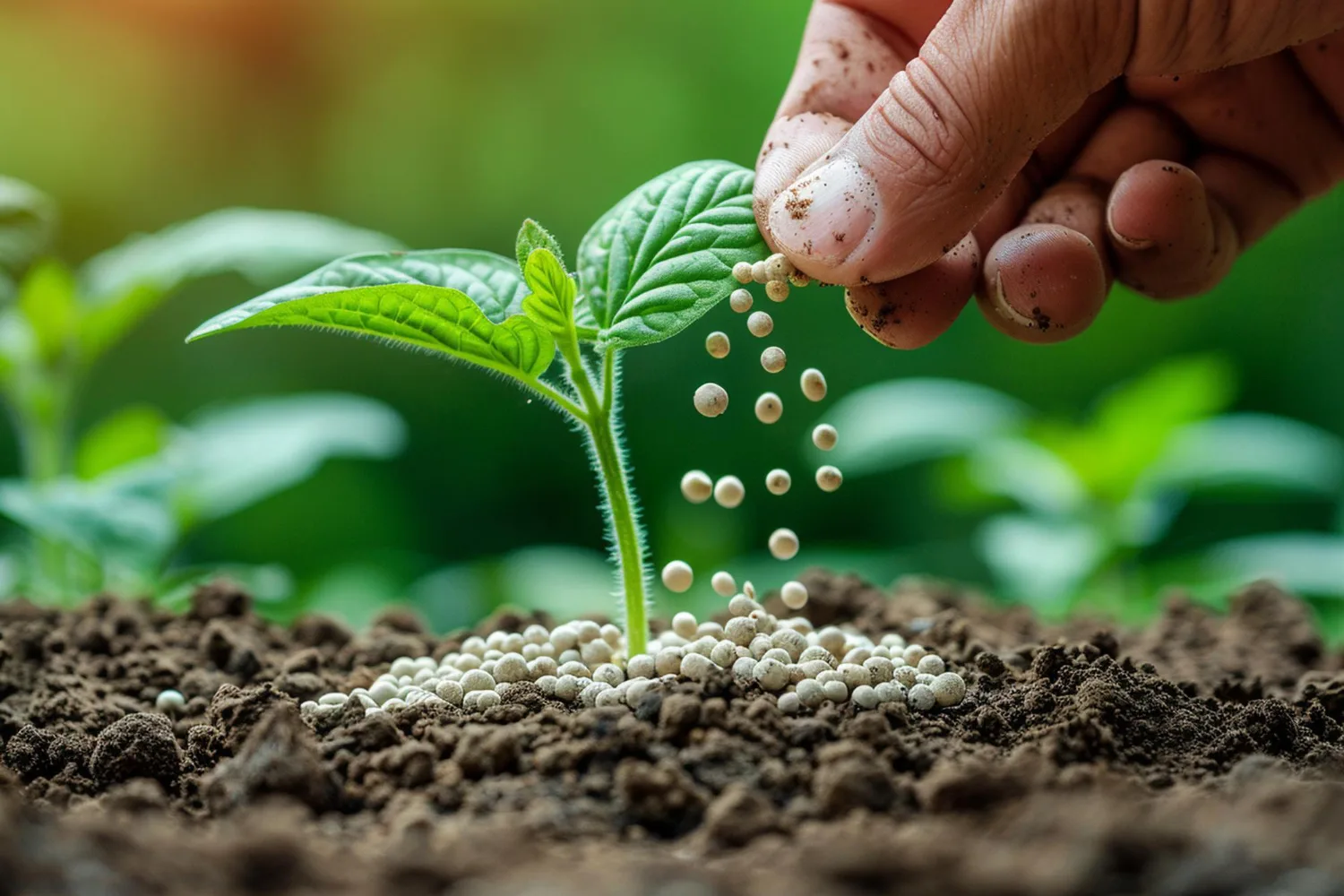
Introduction: The Future of Smart Nutrition in Agriculture
Modern agriculture is evolving faster than ever. With rising fertilizer costs, soil degradation, water scarcity, and the need for higher yields, farmers and gardeners are actively searching for efficient fertilizer technologies. One such breakthrough is gel fertilizers—a next-generation solution that is changing how plants receive nutrients.
Unlike traditional fertilizers that often suffer from nutrient loss, leaching, or uneven distribution, gel fertilizers provide controlled nutrient release, better absorption, and longer soil retention. As sustainable farming becomes a global priority, gel-based fertilizers are gaining rapid popularity.
In this detailed guide, you’ll learn:
- What gel fertilizers are
- How gel fertilizers work
- Why gel fertilizers are more effective
- Benefits, types, applications, and comparisons
- Why they are ideal for modern farming
What Are Gel Fertilizers?
Gel fertilizers are a specialized form of fertilizer where nutrients are suspended or embedded in a gel-like polymer matrix. This gel structure allows nutrients to be released slowly and efficiently into the soil, ensuring plants receive nutrition over an extended period.
Unlike liquid fertilizers that drain quickly or granular fertilizers that dissolve unevenly, gel-based fertilizers remain stable in the soil and provide uniform nutrient delivery.
Key Characteristics of Gel Fertilizers
- Semi-solid or jelly-like texture
- High water-holding capacity
- Slow and controlled nutrient release
- Enhanced root-zone availability
- Reduced nutrient wastage
These features make gel fertilizers a high-efficiency fertilizer solution for both large-scale agriculture and home gardening.
Scientific Principles Behind Gel Fertilizers
The effectiveness of gel fertilizers is rooted in advanced soil chemistry and polymer science. The gel matrix works as a nutrient carrier system, holding nutrients in a semi-bound state rather than releasing them all at once.
When soil moisture increases, the gel expands and allows nutrients to diffuse slowly. When moisture decreases, the gel contracts, reducing nutrient loss. This dynamic behavior makes gel fertilizers highly responsive to plant needs and environmental conditions.
This principle is often referred to as smart nutrient delivery, a key component of precision agriculture.
Impact of Gel Fertilizers on Soil Health
Healthy soil is the foundation of sustainable crop production. One major advantage of gel-based fertilizers is their positive impact on long-term soil structure.
Soil Health Benefits:
- Improved soil aggregation
- Better aeration and porosity
- Reduced soil compaction
- Enhanced microbial activity
- Stable soil moisture balance
Unlike chemical-heavy fertilizers that can degrade soil over time, eco-friendly gel fertilizers support soil regeneration and fertility.
Gel Fertilizers and Water Use Efficiency
Water scarcity is one of the biggest challenges facing global agriculture. Gel fertilizers significantly improve water use efficiency by acting as super absorbent reservoirs in the soil.
How They Save Water:
- Absorb excess irrigation or rainwater
- Store moisture near roots
- Release water slowly during dry periods
- Reduce evaporation losses
Because of this property, gel fertilizers for drought-prone areas are becoming increasingly popular among farmers.
Crop Yield Improvement with Gel Fertilizers
Multiple field trials have shown that crops treated with slow release gel fertilizers demonstrate:
- Higher germination rates
- Faster early growth
- Stronger stems and roots
- Increased flowering and fruit set
- Improved crop uniformity
This results in higher yield per hectare, making gel fertilizers a valuable investment for commercial agriculture.
Gel Fertilizers in Organic & Integrated Farming
While not all gel fertilizers are certified organic, many modern formulations use biodegradable polymers derived from natural sources.
Suitable for:
- Organic farming systems
- Integrated nutrient management
- Low-chemical-input agriculture
They work especially well when combined with:
- Compost
- Vermicompost
- Biofertilizers
- Microbial inoculants
Storage, Shelf Life & Stability
Storage Benefits:
- Longer shelf life than liquid fertilizers
- Less risk of nutrient separation
- Stable under varying temperatures
- Easy transportation with minimal leakage
Common Mistakes to Avoid When Using Gel Fertilizers
- Over-application assuming faster results
- Placing gel too far from root zone
- Mixing incompatible chemicals
- Ignoring crop-specific nutrient needs
- Applying without adequate moisture
Correct dosage and placement are essential for achieving maximum fertilizer efficiency.
How Gel Fertilizers Are Made
Gel fertilizers are produced using polymeric compounds, such as:
- Natural polymers (alginate, starch, cellulose)
- Synthetic polymers (polyacrylamide, polyvinyl alcohol)
These polymers trap essential nutrients like:
- Nitrogen (N)
- Phosphorus (P)
- Potassium (K)
- Micronutrients (zinc, iron, boron, magnesium)
How Do Gel Fertilizers Work?
Step-by-Step Working Process
- Application to Soil or Root Zone
- Water Absorption
- Slow Nutrient Release
- Direct Root Uptake
Why Are Gel Fertilizers So Effective?
- High Nutrient Use Efficiency (NUE)
- Controlled & Sustained Release
- Improved Soil Moisture Retention
- Reduced Environmental Pollution
- Enhanced Root Development
Major Benefits of Gel Fertilizers
- Long-Lasting Effect
- Lower Fertilizer Consumption
- Better Crop Yield & Quality
- Water Saving Technology
- Safe for Soil Microorganisms
Types of Gel Fertilizers
- Nitrogen Gel Fertilizers
- Phosphorus Gel Fertilizers
- Potassium Gel Fertilizers
- NPK Gel Fertilizers
- Micronutrient Gel Fertilizers
Applications of Gel Fertilizers
- Agriculture Crops
- Horticulture
- Greenhouse & Hydroponics
- Landscaping & Lawns
- Home Gardening
How to Apply Gel Fertilizers Correctly
Soil Application
- Apply near root zone
- Mix lightly with soil
Drip Irrigation
- Compatible with fertigation systems
- Ensures uniform distribution
Seedling Transplanting
- Place small amount in planting hole
- Enhances early growth
Are Gel Fertilizers Cost-Effective?
- Reduced fertilizer quantity
- Lower labor costs
- Higher yield per acre
- Less irrigation expense
Role of Gel Fertilizers in Sustainable Agriculture
- Minimizing nutrient loss
- Protecting groundwater
- Enhancing long-term soil fertility
Common Myths About Gel Fertilizers
- They are only for high-tech farms
- They harm soil biology
- They don’t work in open fields
Future of Gel Fertilizer Technology
- More affordable
- Crop-specific
- Climate-responsive
Global Market Trends for Gel Fertilizers
- Climate change
- Rising fertilizer prices
- Government sustainability policies
- Precision farming adoption
Why Gel Fertilizers Are Ideal for the Future
- Precision nutrient management
- Climate-smart farming
- Reduced chemical dependency
- Higher productivity with fewer resources
Conclusion: Are Gel Fertilizers Worth It?
Absolutely. Gel fertilizers represent a powerful shift toward efficient, eco-friendly, and high-performance plant nutrition.
They are not just an option—they are the future.